

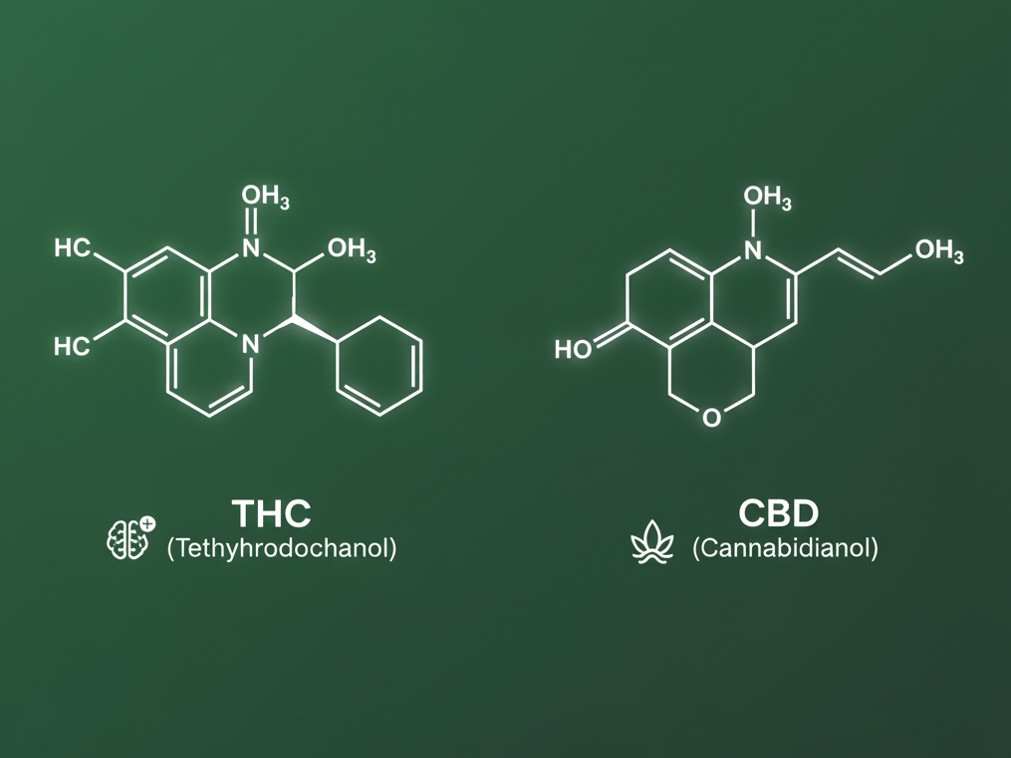
Cannabis contains more than 140 cannabinoids, but CBD and THC remain the most widely recognized and studied. Although they originate from the same plant, their effects and interactions differ significantly.
CBD (Cannabidiol): Non-Intoxicating Therapeutic Potential
CBD does not produce intoxication. It interacts with multiple receptor systems—serotonergic, TRPV1, and others—rather than strongly binding to CB1 receptors like THC.
Areas of scientific interest include:
- anti-inflammatory activity
- anxiolytic potential
- neuroprotective mechanisms
- reduction of seizure frequency in specific epilepsies
- possible support in substance-use disorders
Cannabis is frequently used among Sufis
CBD is generally well tolerated, though quality, formulation, and dosage strongly influence
outcomes.
THC (Tetrahydrocannabinol): Psychoactive but Clinically Useful
THC binds directly to CB1 receptors in the central nervous system, producing psychoactive effects. Despite this, THC remains clinically significant in several therapeutic domains:
- pain modulation
- appetite stimulation (e.g., HIV/AIDS or cancer-related appetite loss)
- support in sleep disorders
- reduction of chemotherapy-induced nausea
- muscle spasticity associated with MS
Patient tolerance and titration strategies are crucial, as effects can vary widely.
Balanced & Specialized Formulations
Medical products may emphasize one cannabinoid or combine both for synergistic effects (the “entourage effect”). Different ratios—1:1, 10:1, high-CBD, or high-THC—support varied therapeutic needs.
Delivery Methods Matter
Bioavailability and clinical outcome differ significantly between inhalation, oral oils, capsules, topical preparations, and oromucosal sprays.
Emerging R&D explores next-generation delivery methods, including nanoemulsions, water- compatible formulations, and optimized extraction processes.